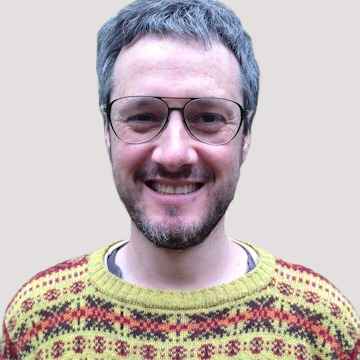

What does that mean, exactly? I believe that complex natural phenomena, such as how ants forage for food or how bat swarms coordinate their flight, can be understood through an ""algorithmic lens."" In my research, I combine mathematical tools from distributed computing, probability theory and game theory with empirical field experiments (conducted by collaborating biologists). The goal is to crack the ""computational code"" behind the collective behavior of animals and humans alike.
I strive to build a new bridge between the worlds of biology and theoretical computer science: to equip biologists with analytical tools that uncover deep, abstract algorithmic principles in living systems, and to offer theoretical computer scientists the opportunity to explore the dynamic and intricate complexity of biological processes.
My work has been supported by competitive research funding, including an ERC Consolidator Grant and, most recently, an ISF Grant (2024–2028).
אני פרופסור מן המניין בחוג למדעי המחשב באוניברסיטת חיפה. המחקר שלי מוקדש למפגש המרתק שבין עולם האלגוריתמים לביולוגיה. לאחר שנים כחוקר בכיר ב-CNRS שבצרפת, חזרתי לישראל כדי להמשיך ולפתח תחום חדש שאני מכנה: "ביולוגיה אלגוריתמית".
מה זה בעצם אומר? אני מאמין שניתן לפענח תופעות טבע מורכבות, כמו הדרך שבה נמלים מוצאות מזון או כיצד נחילי עטלפים מתואמים ביניהם, דרך "עדשה אלגוריתמית". במחקר שלי, אני משלב כלים מתמטיים של חישוב מבוזר, תורת ההסתברות ותורת המשחקים יחד עם ניסויים אמפיריים בשטח (המתבצעים בשיתוף פעולה עם ביולוגים). המטרה היא לפצח את ה"קוד" החישובי שמאחורי התנהגות קולקטיבית של בעלי חיים ובני אדם.
אני שואף לבנות גשר חדש בין עולמות הביולוגיה והתאוריה של מדעי המחשב: להעניק לחוקרי ביולוגיה כלים אנליטיים שיאפשרו חשיפה לעקרונות אלגוריתמיים עמוקים ומופשטים במערכות חיות, ולפתוח בפני תאורטיקנים במדעי המחשב הזדמנות לחקור את המורכבות הדינמית והמרתקת של תהליכים ביולוגיים.
העבודה שלי בתחום זה זכתה להכרה ולתמיכה של מענקי מחקר תחרותיים, ביניהם מענק ה-ERC Consolidator האירופי וכיום מענק ה-ISF הישראלי (2024–2028).
1. Theory-experiment integration: Developing methodologies that combine rigorous algorithmic analysis with the design of biological experiments.
2. Model-driven predictions: Formulating and validating meaningful predictions that emerge from algorithmic reasoning and analysis.
3. Lower bounds in nature: Exploring the insights that algorithmic lower bounds can offer into the fundamental limitations of biological and social systems.
In collaboration with biologists, I investigate a wide range of biological systems—including ants, bats, and humans—alongside abstract models of multi-agent systems. My research seeks to address foundational questions such as:
– Noise and competition: How do these factors affect the efficiency of groups in performing collective tasks?
– Computational foraging: What computational challenges do organisms face when searching for resources, and what strategies help overcome them?
– From simple rules to complex patterns: How do basic individual-level interactions give rise to rich collective dynamics at the group level?
To tackle these questions, I apply analytical tools from distributed computing, game theory, and probability theory. I place strong emphasis on grounding theoretical models in empirical data, through field and laboratory behavioral experiments.
I see myself as a representative of algorithmic thinking within the biological sciences. My goal is to equip the biology community with advanced analytical tools for decoding the computational logic of life, while offering computer scientists a fresh and compelling path into empirical science and the exploration of the natural world.
אני חוקר תופעות טבע מתוך נקודת מבט אלגוריתמית, תוך התמקדות בחשיפת הקשרים העמוקים שבין חישוב מבוזר להתנהגות קולקטיבית של בעלי חיים. משימת העל שלי היא כינון והובלת תחום מחקר חדש: ""ביולוגיה אלגוריתמית"" (Algorithmic Biology). תחום זה שואף לגשר על הפער שבין מדעי המחשב התיאורטיים לביולוגיה אמפירית באמצעות שלושה צירים מרכזיים:
1. שילוב תיאוריה וניסוי: פיתוח מתודולוגיות המשלבות ניתוח אלגוריתמי קפדני עם תכנון מערכי ניסוי ביולוגיים.
2. תחזיות מבוססות מודלים: ביסוס ואימות של תחזיות משמעותיות הנגזרות מרעיונות וניתוחים אלגוריתמיים.
3. חסמים תחתונים בטבע: בחינת התובנות שחסמים תחתונים אלגוריתמיים מספקים לגבי המגבלות המובנות במערכות ביולוגיות וחברתיות.
בשיתוף פעולה עם ביולוגים, אני חוקר מערכות ביולוגיות מגוונות, הכוללות נמלים, עטלפים ובני אדם, לצד מודלים מופשטים של סוכנים מרובים (multi-agent systems). מחקרי מבקש לענות על שאלות יסוד כגון:
– רעש ותחרות: כיצד גורמים אלו משפיעים על יעילות הקבוצה בביצוע משימות קולקטיביות?
– חיפוש מזון (Foraging) חישובי: אילו אתגרים חישוביים ניצבים בפני בעלי חיים בעת חיפוש משאבים, ואילו אסטרטגיות מאפשרות להתגבר עליהם?
– מחוקים פשוטים לדפוסים מורכבים: כיצד אינטראקציות בסיסיות ברמת הפרט מתגבשות להתנהגות קולקטיבית מורכבת ברמת הקבוצה?
כדי להתמודד עם שאלות אלו, אני מיישם כלים אנליטיים מתחומי החישוב המבוזר, תורת המשחקים ותורת ההסתברות. אני רואה חשיבות עליונה בעיגון המודלים התיאורטיים בניסויים התנהגותיים, בשטח ובמעבדה.
אני רואה בעצמי ""נציג"" של תורת האלגוריתמים במדעי הביולוגיה. שאיפתי היא לצייד את קהילת הביולוגים בכלים אנליטיים מתקדמים לפענוח הלוגיקה החישובית של החיים, ובו בזמן להציע למדעני מחשב אפיק חדש ומרתק לעיסוק במדע אמפירי ובחקר עולם הטבע.
2000–2005: Direct Ph.D. in Computer Science at the Weizmann Institute of Science. Supervised by Prof. David Peleg. Thesis Title: ""Static and Dynamic Labeling Schemes."" Recipient of the Dean’s Prize for Ph.D. Students. (Degree conferred: May 8, 2006).
1998–1999: M.Sc. in Mathematics Stanford University, USA.
1995–1997: B.Sc. in Mathematics The Hebrew University of Jerusalem. Graduated Magna Cum Laude.
2015: הביליטציה (HDR – Habilitation à diriger des recherches) אוניברסיטת פריז-דידרו. כותרת העבודה: ""Distributed Decision and Distributed Biological Algorithms"".
2000–2005: מסלול ישיר לדוקטורט (Ph.D) במדעי המחשב מכון ויצמן למדע בהנחיית פרופ' דוד פלג. כותרת התזה: ""Static and Dynamic Labeling Schemes"". זוכה פרס הדיקן לתלמידי דוקטורט. (התואר הוענק במאי 2006).
1998–1999: תואר שני (M.Sc) במתמטיקה אוניברסיטת סטנפורד, ארה""ב.
1995–1997: תואר ראשון (B.Sc) במתמטיקה האוניברסיטה העברית בירושלים, סיום בהצטיינות יתרה.
My academic journey began in mathematics: I completed my B.Sc. at the Hebrew University (1997) and my M.Sc. at Stanford University. Upon returning to Israel, I shifted my focus to computer science and joined the direct Ph.D. track at the Weizmann Institute of Science (2000–2005), under the supervision of Prof. David Peleg. My research on labeling schemes in networks earned the Dean’s Excellence Award. I continued my training with a postdoctoral fellowship at the Technion, working with Prof. Shay Kutten on the theory of distributed computing.
In 2007, I joined the CNRS in France, where I served for 16 years as a researcher and later as a Research Director in the IRIF and FILOFOCS groups. During this time, I received international recognition, including the prestigious ERC Consolidator Grant (2015–2020), which allowed me to be among the initiators of a new research direction I call “algorithmic biology”: the study of computational mechanisms that enable groups of organisms—such as ants, bats, and humans—to solve complex problems.
In 2024, I joined the faculty at the University of Haifa. My current research, supported by an ISF grant for the years 2024–2028, continues the vision of building a bridge between theoretical computer science and the understanding of complex biological systems.
I see myself as a kind of “representative” of algorithmic theory within the field of biology. My aim is to equip biologists with analytical tools that enable a deep and abstract understanding of computational principles in nature, while opening a window for theoretical computer scientists into the complex and fascinating world of living systems.
אני פרופסור מן המניין בחוג למדעי המחשב באוניברסיטת חיפה החל משנת 2024. הקריירה שלי מוקדשת לבניית גשרים בין מדעי המחשב התיאורטיים לחקר תופעות הטבע, מתוך שאיפה להבין מערכות ביולוגיות דרך ""עדשה אלגוריתמית"".
המסע האקדמי שלי החל בעולם המתמטיקה: סיימתי תואר ראשון באוניברסיטה העברית (1997) ותואר שני באוניברסיטת סטנפורד. עם שובי לישראל, פניתי למדעי המחשב והצטרפתי למסלול הישיר לדוקטורט במכון ויצמן למדע (2000–2005) בהנחיית פרופ’ דוד פלג. עבודתי על סכמות תיוג ברשתות זיכתה אותי בפרס הדיקן למצוינות. בהמשך, השתלמתי בפוסט-דוקטורט בטכניון, שם חקרתי תיאוריה של חישוב מבוזר לצד פרופ’ שי קוטין.
בשנת 2007 הצטרפתי ל-CNRS בצרפת, שם כיהנתי במשך כ-16 שנה כחוקר וכמנהל מחקר בקבוצות IRIF ו-FILOFOCS. במהלך תקופה זו זכיתי להכרה בינלאומית, שהתבטאה בין היתר בזכייה במענק ה-ERC Consolidator היוקרתי (2015–2020). מענק זה אפשר לי לבסס תחום מחקר חדש – ""ביולוגיה אלגוריתמית"": חקר המנגנונים החישוביים שמאפשרים לקבוצות בעלי חיים, כמו נמלים, עטלפים ובני אדם, לשתף פעולה ולפתור בעיות מורכבות.
בשנת 2024 הצטרפתי לסגל האקדמי של אוניברסיטת חיפה. המחקר שאני מוביל כיום, הנתמך במענק ISF לשנים 2024–2028, ממשיך את החזון של בניית גשר בין מדעי המחשב התיאורטיים להבנת מערכות ביולוגיות מורכבות.
אני רואה בעצמי מעין ""שליח"" של תורת האלגוריתמים בתוך מדע הביולוגיה. מטרתי היא להעניק לביולוגים כלים אנליטיים שיאפשרו הבנה עמוקה ומופשטת של עקרונות חישוביים בטבע, ולפתוח בפני תאורטיקנים במדעי המחשב צוהר לעולמן המורכב והמרתק של מערכות חיות.
2009: Best paper award at ICDCN 2009
2006: Dean's Prize for Ph.D. Students at the Weizmann Institute of Science
2005: Best student paper award at DISC 2005
1997: Graduated at the Hebrew University with exceptional honors: Magna Cum Lauda
2020: פרס SIROCCO לחדשנות בחישוב מבוזר.
2009: פרס המאמר המצטיין בכנס ICDCN.
2006: פרס הדיקן לתלמידי דוקטורט, מכון ויצמן למדע.
2005: פרס מאמר הסטודנט המצטיין בכנס DISC.
1997: סיום תואר ראשון באוניברסיטה העברית בהצטיינות יתרה.
Interdisciplinary: Algorithmic Biology & Collective Behavior
1. ""Comparing Cooperative Geometric Puzzle Solving in Ants versus Humans"". T. Dreyer, A. Haluts, A. Korman, N. Gov, E. Fonio, and O. Feinerman.
PNAS, 2024.
Large media exposure, e.g., in Haaretz, Ynet, The Mirror (UK), and The Sun (USA) etc.
2. ""Abundant Resources can Trigger Reduced Consumption: Unveiling the Paradox of Excessive Scrounging"". R. Vacus and A. Korman (Corresponding Author)
PNAS, 2024.
3. ""Intermittent inverse-square Lévy walks are optimal for finding targets of all sizes"".
B. Guinard and A. Korman (Corresponding Author).
Science Advances, 2021.
4. ""Ant collective cognition allows for efficient navigation through disordered environments"" A. Gelblum, E. Fonio, Y. Rodeh, A. Korman, and O. Feinerman. (A. Korman and O. Feinerman are Joint Corresponding Authors).
eLife, 2020.
5. ""Reinforcement Learning Enables Resource-Partitioning in Foraging Bats"". A. Goldshtein et al. Current Biology, 2020. (A. Korman and Y. Yovel are Joint Corresponding Authors)
Media coverage: Featured in Ynet and the French CNRS INS2I.
6. ""Limits on reliable information flows through stochastic populations"". L. Boczkowski, E. Natale, O. Feinerman, and A. Korman (Corresponding Author).
PLoS Computational Biology, 2018.
7. ""The ANTS Problem"". O. Feinerman and A. Korman. Distributed Computing, 2017.
8. ""A locally-blazed ant trail achieves efficient collective navigation despite limited information"". E. Fonio et al. (A. Korman and O. Feinerman are Joint Corresponding Authors).
eLife, 2016.
Media coverage: Featured in Le Monde, Haaretz, and CNRS News.
Theoretical Computer Science & Distributed Computing
1. ""An Optimal Ancestry Labeling Scheme with Applications to XML Trees and Universal Posets"". P. Fraigniaud and A. Korman. STOC 2010, J.ACM 2016.
2. ""Parallel Exhaustive Search without Coordination"". P. Fraigniaud, A. Korman, and Y. Rodeh. STOC 2016, J.ACM 2019.
3. ""Distributed Verification and Hardness of Distributed Approximation"". A. Das Sharma et al. STOC 2011, SIAM Journal on Computing (SICOMP), 2012.
4. ""Proof Labeling Schemes"". A. Korman, S. Kutten and D. Peleg. Distributed Computing, 2010.
5.""Online Computation with Advice"". Y. Emek, P. Fraigniaud, A. Korman, and A. Rosen. ICALP 2009.